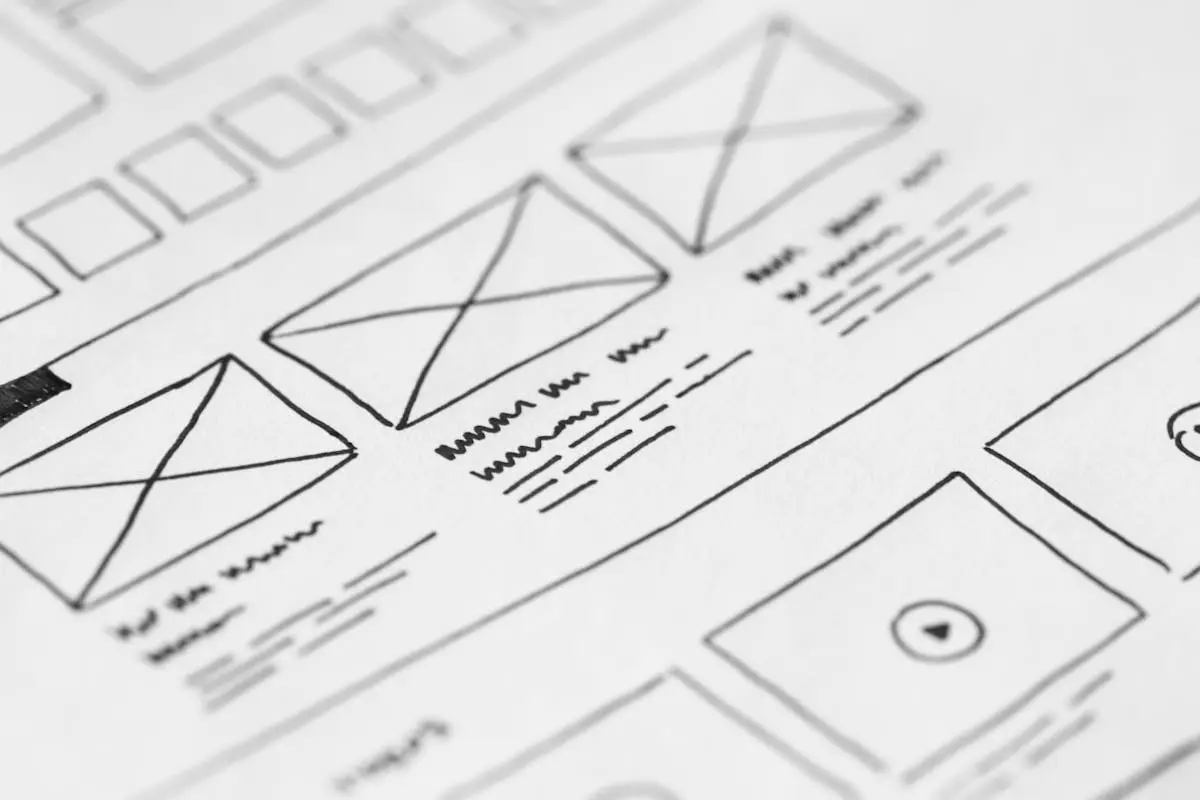
UX Design: A Key to Customer Satisfaction
TL;DR: UX design drives customer satisfaction by creating seamless, intuitive experiences that eliminate frustration. Great UX anticipates user needs and creates emotional connections that lead to loyalty and repeat business. Key elements include usability, accessibility, and user research. Avoid common mistakes like overcomplicating design or neglecting mobile.
Customer satisfaction has become a primary focus for companies looking to thrive. One of the most effective ways to enhance customer experience is through User Experience (UX) design. This guide explores how UX design plays a crucial role in boosting customer satisfaction and driving business success.
Understanding UX Design
UX design involves enhancing user satisfaction by improving usability, accessibility, and pleasure in product interaction.
Empathy at the Core
At its core, UX design is about empathy. Designers put themselves in users' shoes, striving to understand their needs and pain points.
This foundational principle leads to:
- Better-designed products
- Positive user engagement
- Feeling understood
- Greater satisfaction
Continuous Journey
The process of UX design isn't a one-time task. It's an ongoing journey.
Continuous improvement includes:
- Gathering user feedback
- Iterating on designs
- Staying aligned with expectations
- Adapting to changing needs
The best UX designers actively seek feedback, ensuring they remain aligned with user expectations.
UX vs UI
It's crucial to differentiate between UX and UI (User Interface) design.
Key differences:
- UX encompasses overall interaction experience
- UI focuses on visual elements
- Both are integral
- Understanding differences enhances approach
The Connection Between UX and Satisfaction
When customers navigate a website or app intuitively, their satisfaction grows.
Seamless Experiences
Seamless experiences eliminate frustration, allowing users to focus on what matters most: achieving their goals.
Well-executed UX leads to:
- Anticipated user needs
- Smooth goal completion
- Positive emotional response
- Desire to return
Emotional Rewards
Consider the emotional aspect of UX. When users feel a sense of achievement upon successfully using a product, it builds a connection.
This emotional reward is where true customer satisfaction lies, highlighting the importance of thoughtful UX design.
Brand Loyalty
There's a direct link between satisfaction and brand loyalty.
Companies providing consistently great experiences become preferred choices. People build relationships with brands that invest in their UX.
Key Elements of Effective UX
Understanding key components is essential for any business aiming to boost satisfaction.
Usability
Usability dictates how easy and intuitive a product is for users.
Usability factors:
- Clear navigation
- Logical information structure
- Responsive interactions
- Minimal learning curve
Accessibility
Accessibility ensures products are usable by individuals with varying abilities.
Accessibility considerations:
- Color contrast
- Screen reader compatibility
- Keyboard navigation
- Alternative text
This inclusive approach resonates with users and reflects positively on the brand.
User Research
User research involves gathering insights about user behavior, preferences, and pain points.
Research methods:
- Surveys
- Interviews
- Usability testing
- Analytics review
Armed with this data, designers make informed decisions aligning with user needs.
Visual Hierarchy
Visual hierarchy affects how users perceive and interact with information.
Hierarchy principles:
- Clear navigation paths
- Logical groupings
- Prominent calls to action
- Scannable content
Successful UX in Action
Real-life examples demonstrate how companies have successfully implemented UX design.
Airbnb
Their user-friendly platform features intuitive search filters and personalized recommendations, setting a benchmark for excellent UX.
Success factors:
- Simple booking process
- Personalized suggestions
- Trust-building elements
- Seamless mobile experience
Apple
Known for sleek design and simplicity, Apple's UX strategy focuses on delivering seamless experiences across devices, enhancing customer loyalty.
Spotify
Spotify has mastered personalization in UX design. By utilizing algorithms to curate playlists and recommendations, they create tailored experiences that elevate satisfaction.
Common UX Mistakes to Avoid
Even small missteps can lead to customer frustration.
Overcomplicating Design
Simplify processes and minimize required steps.
Simplification tips:
- Reduce form fields
- Clear navigation
- Obvious next steps
- Minimal distractions
Neglecting Mobile
With the rise of mobile browsing, responsive design is non-negotiable.
Users expect seamless experience whether on desktop or smartphone.
Skipping User Testing
Without testing, it's nearly impossible to know how real users will interact with your design.
This can lead to major usability issues that could have been easily fixed with feedback.
Inconsistency
Inconsistency confuses users and undermines trust.
Maintain consistency in:
- Look and feel
- Navigation patterns
- Terminology
- Interaction behaviors
The Future of UX
As technology evolves, so does UX design.
Emerging Trends
Artificial Intelligence Personalized experiences that adapt in real-time
Voice Interfaces Optimizing for voice commands and smart speakers
Ethical Design Privacy and transparency as priorities
Immersive Experiences AR and VR transforming user engagement
Continuous Evolution
Designers who prioritize transparency and ethical considerations foster trust, leading to higher customer satisfaction.
Key Takeaway
Incorporating effective UX design practices not only elevates customer satisfaction but also fosters loyalty and repeat business. As you prioritize user experience, you'll find that happy customers are the best advocates for your brand.
Related Resources
- AI Use Cases for Business Operations - How AI transforms digital experiences and operational workflows.
- Our Services - See how MODEFORGE builds AI-native websites, apps, and platforms.
- Start a Conversation - Ready to explore what AI can do for your business?
Frequently Asked Questions
What is UX design?
UX design involves enhancing user satisfaction by improving usability, accessibility, and pleasure provided in product interaction. At its core, UX design is about empathy. Designers put themselves in users' shoes to understand needs and pain points. This is an ongoing journey requiring continuous feedback and iteration.
How does UX design improve customer satisfaction?
Seamless experiences eliminate frustration, allowing users to focus on achieving their goals. Well-executed UX anticipates user needs, creating smooth interactions. For example, a well-designed food ordering interface lets you quickly select options and even anticipates your preferences from past orders. This foresight keeps customers returning.
What are key elements of effective UX design?
Key elements include usability (how easy and intuitive the product is), accessibility (providing equal access for users with varying abilities), user research (gathering insights about behavior, preferences, and pain points), and visual hierarchy (deciding how information is displayed for optimal perception and interaction).
What UX design mistakes should I avoid?
Avoid overcomplicating design by simplifying processes and minimizing steps required. Don't neglect mobile experience since most browsing is now mobile. Never skip user testing as it reveals how real users interact with your design. Maintain consistency across all platforms since inconsistency confuses users and undermines brand trust.
Topics Covered
- UX design
- Customer satisfaction
- Usability
- Accessibility
- User research
- Brand loyalty
- Design best practices